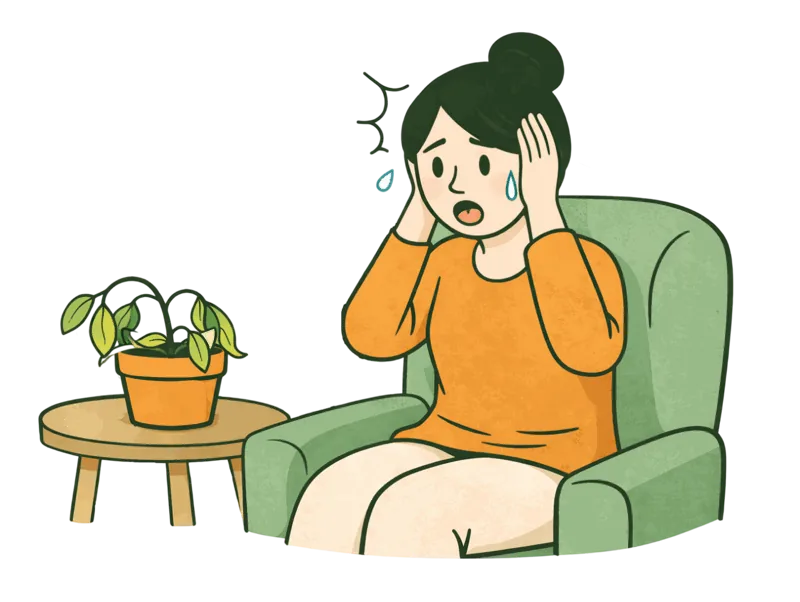
Plants are constantly communicating through their leaves, stems and growth.
Learning to recognize the signs of an unhealthy plant often helps prevent it from dying. Here are the main signals to watch for.
1. Yellow leaves
Yellow leaves are one of the most common symptoms. They can have several causes:
- overwatering
- low light
- nutrient deficiency
- stress from a change of environment
Context (watering frequency, season, recent placement) is essential to understanding the exact cause of the problem.
2. Brown leaves
Brown edges can indicate:
- air that's too dry
- underwatering
- too much fertilizer
- sunburn
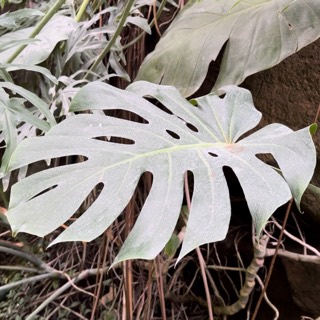
Some tropical plants, like the monstera, are especially sensitive to air humidity.
3. Limp or drooping leaves
A drooping plant is often lacking water or light, or suffering from damaged roots. Check the soil before watering more — watering out of reflex is precisely the most common mistake beginners make, as explained in our article on the ideal watering frequency.
4. Slowed growth
A plant that has stopped growing may lack light, nutrients or room for its roots. Repotting can sometimes be enough to kickstart growth again.
5. The presence of pests
Some pests are very common indoors: mealybugs, spider mites, aphids, fungus gnats.
The first signs to spot:
- small spots on the foliage
- sticky leaves
- insects visible under the leaves
Why diagnosing quickly matters
The earlier a problem is identified, the better the plant's chances of recovering. Many people make things worse by adding even more water, when the problem is actually caused by overwatering in the first place.
💡 The Arroseo app helps you recognize your plants' symptoms and adapt care to the real needs of each species.
Frequently asked questions
What do yellow leaves on a houseplant mean?
Yellow leaves can be due to overwatering, low light, a nutrient deficiency or stress from a change of environment. Context is essential to identifying the exact cause.
Why are the edges of my plant's leaves turning brown?
Brown edges often indicate air that's too dry, underwatering, too much fertilizer or sunburn.
What are the most common pests on houseplants?
Mealybugs, spider mites, aphids and fungus gnats are the most common. Small spots, sticky leaves and visible insects under the leaves are the first signs to spot.
Why is it important to diagnose a plant problem quickly?
The earlier a problem is identified, the better the plant's chances of recovering. Conversely, adding even more water when the issue is actually overwatering often only makes things worse.
Not sure about the state of one of your plants?
Arroseo helps you spot symptoms at the right time and adapt care for each plant with a smart diagnosis.
Download the app