Starting out with houseplants can seem complicated. Between watering, light and humidity, many beginners are afraid of killing their plants.
Yet some species are particularly resilient and need very little care. Here are the 10 easiest houseplants for starting out stress-free.
1. Pothos, the near-indestructible plant
Pothos is often recommended to beginners for a simple reason: it tolerates almost everything.
- grows fast
- tolerates forgotten waterings
- accepts medium, even low light
- very easy to propagate
Pothos is perfect for learning to observe a plant's needs without risking losing it over a single missed watering.
2. Snake plant (sansevieria)
Also known as "mother-in-law's tongue", the sansevieria is one of the most resilient plants in the world.
- very little watering (every 2 to 3 weeks)
- survives in low-light rooms
- slow growth, so little maintenance
The main danger with this plant isn't lack of care, but overwatering.
3. ZZ plant (zamioculcas)
The zamioculcas has thick leaves that store water. It can therefore go several weeks without watering.
Ideal if:
- you travel often
- you regularly forget to water
- your apartment lacks light
It's an excellent plant for people who think they don't have a "green thumb".
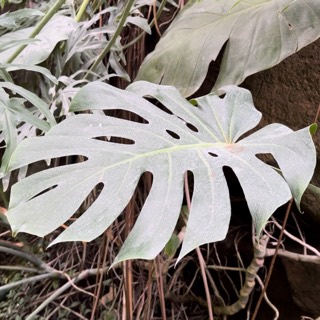
4. Monstera
Very popular, the monstera is also fairly easy to care for once you understand its needs.
What it likes:
- indirect light
- moderate watering, letting the soil dry between waterings
- a stable environment
Its large, split leaves make it a very decorative plant. If yours start falling or going limp, head to our article on why monsteras lose their leaves.
5. Spider plant (chlorophytum)
It's one of the most forgiving plants when it comes to beginner mistakes.
- tolerates irregular watering
- adapts to a wide range of light levels
- multiplies easily thanks to its offsets
- non-toxic to cats and dogs
Ideal for a first attempt at a hanging plant or on a shelf.
6. Philodendron
A close cousin of pothos, it's just as tolerant.
- grows well in medium to low indirect light
- forgives the occasional missed watering
- trailing or climbing foliage depending on the variety
- easy to propagate
Like pothos, it's a safe bet for starting out with confidence.
7. Chinese evergreen (aglaonema)
It's one of the few plants that tolerates very low light.
- slow growth, so little maintenance
- very decorative variegated foliage depending on the variety
- more sensitive to overwatering than to lack of water
A good choice for a windowless office or hallway.
8. Dracaena
A sturdy plant that copes well with spaced-out watering.
- adapts to medium light
- narrow, upright growth
- can live for several years without repotting
One caveat though: it's toxic to cats and dogs.
9. Succulents and cacti
For beginners with a good, bright spot available.
- minimal water needs (every 2 to 4 weeks depending on the season)
- store water in their leaves or stems
- come in many shapes and sizes
Their one real need, unlike the other plants on this list, is good light.
10. Cast iron plant (aspidistra)
Nicknamed the "cast iron plant" for how unkillable it is.
- tolerates low light, drought and temperature swings
- very slow growth
- almost no known diseases or pests
If only one plant had to survive all your forgetfulness, it would probably be this one.
The most common beginner mistakes
Overwatering
Most plants don't die of thirst, but from too much water. It's better to check the soil's moisture before watering than to follow a fixed schedule — that's the subject of our article on the ideal watering frequency.
Constantly moving the plant around
Plants like stability. Avoid moving them every week: every change in light or temperature requires an adjustment period.
Ignoring signs of stress
Yellow leaves, limp leaves or brown spots are warning signs not to ignore. The earlier a problem is spotted, the better the plant's chances of recovering — learn to identify them in our article on how to recognize an unhealthy houseplant.
How to succeed with your houseplants
The most important thing is learning to observe:
- soil moisture
- light exposure
- how the leaves change
💡 The Arroseo app helps beginners track their plants' watering and quickly identify common problems with a smart diagnosis.
Frequently asked questions
What is the easiest houseplant for a beginner to care for?
Pothos is generally considered the easiest plant: it tolerates missed waterings, adapts to medium light and grows quickly, so you can see the results of your care fairly fast.
Which houseplant best withstands a lack of water?
Zamioculcas and sansevieria are the most drought-resistant: their thick leaves store water, letting them survive several weeks without watering.
Which plant should I choose if my apartment lacks light?
Sansevieria, aspidistra and aglaonema cope well with dimly lit rooms. Avoid flowering plants or heavily variegated foliage, which need more light.
How can I tell if a houseplant is doing poorly?
The most common signs are yellow, limp or falling leaves, usually linked to overwatering rather than a lack of water. Always check the soil's moisture before acting.
Beginner or confirmed green thumb, never miss a watering again
Arroseo tracks the needs of each of your plants and sends you watering reminders at the right time.
Download the app